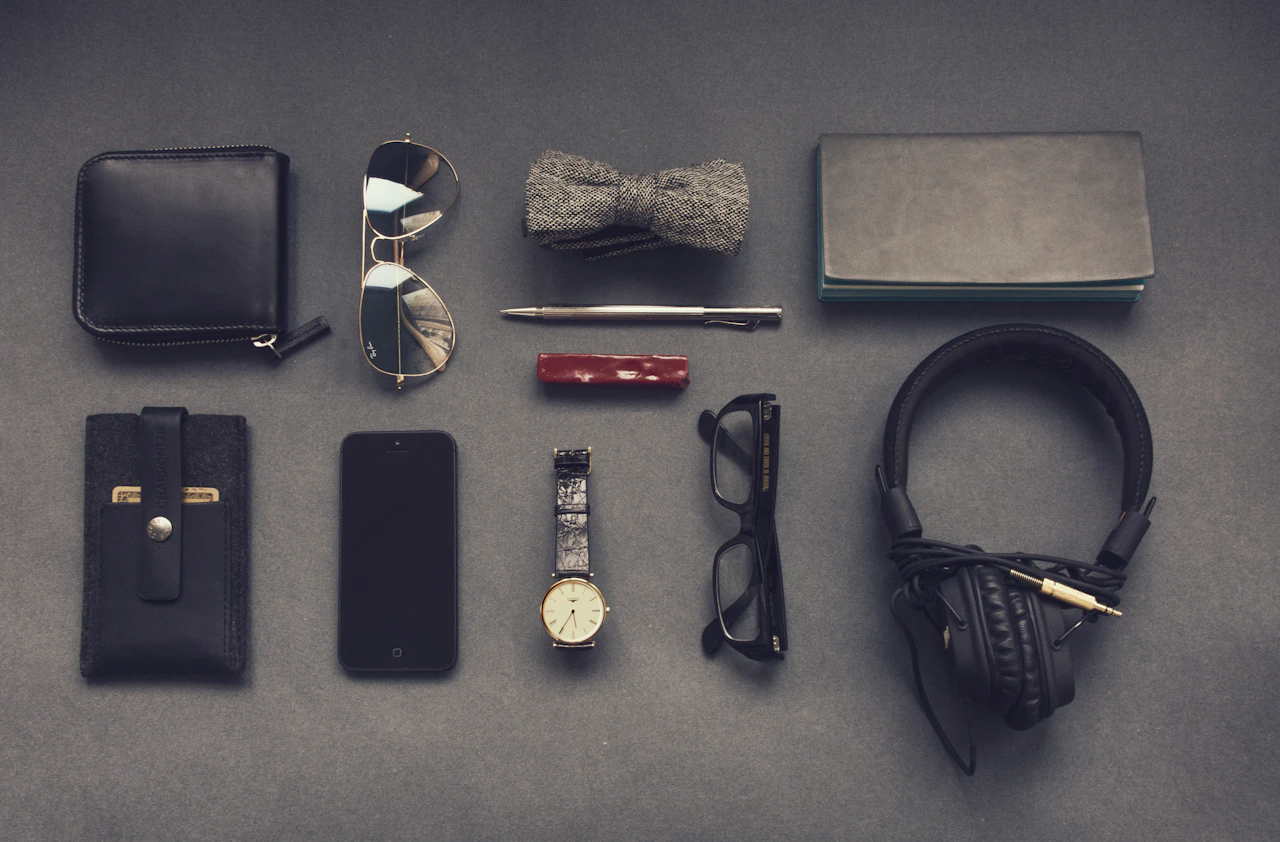
Opulent accessories do not belong in a velvet-rope category reserved for galas, awards season, or the rare “special event” outfit. The smartest way to wear them in 2026 is to let them work overtime: a crystal brooch on a wool blazer, a cocktail ring with a white tee, or a statement belt over relaxed denim can make an ordinary outfit feel intentional and fashion-forward. That shift is especially visible in London Fashion Week street style, where bold shoulders, dramatic proportion, and sparkling accents showed that personality is now part of the silhouette. If you want a broader view of how trends move from runway to real life, it helps to think about styling the same way you’d think about smart shopping: with a plan, a shortlist, and a willingness to mix high-impact pieces with wardrobe basics, much like the approach in loyalty programs and exclusive coupons or spotting discounts like a pro.
This guide is your definitive playbook for everyday glam. We will break down how to choose opulent accessories, how to pair them with casual staples without looking overdressed, how to style them for different settings, and how to build a compact accessory wardrobe that feels luxurious but still wearable. Along the way, you’ll get practical ideas inspired by BAFTAs red carpet looks, but translated for coffee runs, office days, dinner plans, and weekend street style.
Why Opulent Accessories Work So Well With Everyday Clothing
They create contrast, and contrast is what makes outfits memorable
The reason opulent accessories feel so effective with casual basics is simple: contrast. A sequined bag or oversized brooch looks even more striking next to a plain cotton sweatshirt or a clean knit because the eye immediately registers the difference in texture, shine, and scale. In fashion, contrast prevents an outfit from reading flat, and it is one of the easiest ways to make basic pieces feel styled rather than merely worn. This is the same principle that makes a street-style look stand out at London Fashion Week—the pieces do not have to be complicated, but they do have to interact.
They signal intention without requiring a full wardrobe overhaul
Not every shopper wants to buy a whole new outfit every time they need to look polished. That’s where statement jewelry, brooch styling, and accessory pairing become especially powerful. One strong accessory can change the mood of denim, a sweatshirt, a blazer, or even a simple knit dress. If you are trying to make everyday pieces feel more editorial, consider this a style strategy similar to curating a smarter digital ecosystem: use the right supporting elements, and the whole result feels elevated, a little like choosing the best setup from maximizing your sleep investment or building confidence through auditing trust signals.
They help you repeat outfits without looking repetitive
People often worry that repeating clothes is boring, but the truth is that accessories are what make repeat dressing feel fresh. A black blazer can look sharp and minimal on Monday, then artful and glamorous on Thursday if you add a jeweled belt or a sculptural pin. This is especially useful if you shop from a curated closet philosophy: fewer garments, better styling, stronger accessories. You can think of it as the fashion version of a smart membership strategy, where the real value comes from knowing how to use what you already have, similar to the logic behind membership savings and newsletter perks.
How to Choose Opulent Accessories That Feel Wearable, Not Costume-Like
Start with one hero piece and let the rest support it
The fastest route to wearable glamour is restraint. If you wear a bold cocktail ring, keep the earrings simpler; if you choose a dramatic brooch, let the necklace disappear or skip it entirely. One hero piece gives your outfit a focal point and prevents the look from becoming too crowded. A practical way to think about it is like designing for clarity: the strongest message lands when there is a single clear idea, similar to the framework used in snowflaking content topics to identify the strongest angle.
Match scale to your outfit silhouette
Scale matters more than most people realize. A petite brooch may vanish on a voluminous trench coat, while an oversized jeweled pin could overwhelm a slim ribbed cardigan. Likewise, a thick statement belt can look perfect over wide-leg trousers or a boxy blazer, but too heavy on a delicate slip dress if the styling is not balanced elsewhere. At London and beyond, fashion editors often lean into proportion play because it makes the look feel purposeful rather than random, as seen in the dramatic shapes highlighted in street style coverage.
Choose finishes that connect to your wardrobe’s dominant tones
Gold, silver, black enamel, pearls, crystal, and colored stones all send different style signals. If your closet leans warm—camel coats, cream knitwear, chocolate boots—gold and antique brass often blend more naturally. If you wear a lot of black, gray, or icy blue, silver-toned or crystal-heavy pieces can look especially sharp. The goal is not perfect matching; it is visual harmony. Think of accessory selection like a thoughtful procurement decision: not every shiny object is worth buying, but the right one multiplies value, much like the best bargain instincts in saving on accessories without cheap knockoffs.
Brooch Styling: The Most Underrated Trick for Everyday Glam
Use brooches to “tailor” a basic outfit visually
Brooch styling is having a quiet renaissance because it is both practical and expressive. Pin one on the lapel of a blazer, near the shoulder of a knit, or on the waistband of trousers to create a custom detail that makes the whole outfit feel considered. A brooch can also help you manipulate attention: place it higher to lengthen the body, or closer to the center if you want a classic, polished effect. For more inspiration on how style details can tell a bigger story, see human-led case studies, where small details create big impact.
Try unexpected placement for a modern feel
Traditional brooch placement is safe, but fashion-forward styling often comes from surprise. Try pinning a brooch to a baseball cap, attaching it to a scarf knot, clipping it onto the strap of a tote, or clustering two smaller pieces on a denim jacket. This works especially well when your outfit is otherwise extremely clean: white T-shirt, straight-leg jeans, loafers, done. The accessory does the speaking. For shoppers who love discovering niche style tactics, this is the equivalent of finding a hidden-value shopping approach, similar to discount spotting or the strategic timing covered in beating dynamic pricing.
Layer brooches like jewelry, not just fasteners
You do not need to treat brooches as one-and-done pieces. A cluster of smaller pins can create a constellation effect on a blazer, while a brooch worn above a pocket and a ring below can visually connect the top and bottom halves of your look. The key is consistent spacing and a shared color family, so the result feels curated rather than random. At London Fashion Week street style, this kind of playful layering is exactly what makes an outfit photograph well: the eye keeps moving.
Cocktail Rings and Statement Jewelry: Small Area, Big Impact
Let your hands do the styling
Cocktail rings are powerful because they draw attention to movement. Every time you hold a coffee cup, adjust a cuff, or gesture while talking, the ring becomes part of the outfit narrative. That makes it ideal for everyday glam, especially when the rest of your look is simple. If you wear minimal clothes but love statement jewelry, your hands and wrists can carry much of the visual weight, so consider pairing one bold ring with a watch or bracelet in a similar metal.
Build ring proportions around your outfit details
A chunky ring looks best when it has room to breathe, which means pairing it with slimmer sleeves, cropped cuffs, or open necklines that do not compete for attention. If your outfit already includes texture—say a cable-knit sweater, tweed jacket, or embellished bag—choose a ring with a cleaner shape so the look stays balanced. When the outfit is flat, like a jersey tee and jeans, you can go bigger and more sculptural. This is essentially accessory pairing as a design exercise: decide what needs emphasis, then choose one piece that solves the styling problem elegantly.
Mix metals and stones with intention
Mixed metals can look very current, but they work best when there is a unifying element. That could be a repeated shape, a shared stone color, or a consistent finish level such as all polished rather than half matte. If you are new to statement jewelry, begin with one family—gold with amber tones, silver with clear crystal, or pearls with white enamel—and then add contrast gradually. The easiest way to avoid visual chaos is to repeat one accent twice in the outfit, like a crystal ring and a crystal hair clip, or a gold belt buckle and gold earrings.
Statement Belts: The Secret Weapon for Turning Basics Into Looks
Define the waist even when you’re wearing relaxed clothes
Statement belts are one of the most effective tools for making casual outfits feel intentional. Worn over an oversized blazer, chunky cardigan, or shirt dress, a bold belt adds structure and gives the outfit a center of gravity. That structure is especially useful if you love relaxed silhouettes but still want polish. It can transform “thrown on” into “styled on purpose,” the same way strong presentation changes the perception of a product or collection in a competitive market, whether you are considering inventory strategy or simply refining your own closet.
Choose buckle drama based on the rest of the outfit
If the buckle is highly ornate—crystals, sculptural metal, oversized logo detailing—keep the rest of the outfit calm and linear. If your clothes already contain texture or print, a belt with a smoother finish may be more effective. The belt should feel like a punctuation mark, not a second headline. For an office-to-dinner outfit, try a black blazer, straight trousers, and a statement belt that echoes the metal of your earrings; the repetition makes the look look deliberate rather than overdone.
Use belts to bridge casual and formal pieces
The beauty of a great belt is that it creates a visual bridge. It can make sweatpants look intentionally styled, a loose knit feel more structured, or a slip skirt feel more day-friendly. This is exactly why accessory-led dressing is so useful for everyday glam: it lets one or two pieces do the transformation work. Think of it as the outfit equivalent of upgrading a system with one smart component, like using the right marketing stack or comparing the best budget-friendly market research tools before making a decision.
Best Outfit Formulas for Everyday Glam
Weekend formula: sweatshirt + wide-leg denim + brooch
This is one of the easiest ways to wear opulent accessories without feeling overdressed. Take a premium sweatshirt, add wide-leg jeans, then pin a crystal or pearl brooch near the collarbone or on one shoulder. Finish with clean sneakers or loafers and a structured bag. The result feels street style ready, which aligns with the kind of fashion energy seen around London Fashion Week, where polished contrast often beats full formality.
Office formula: blazer + trousers + cocktail ring
For work settings, the safest way to introduce statement jewelry is through one controlled focal point. A single cocktail ring can feel powerful without being distracting, especially when paired with a tailored blazer and neutral trousers. If your office dress code is creative, you can add a brooch on the lapel or a statement belt over the blazer. This combination projects confidence and taste, and it is especially effective if you want a look that transitions from meetings to dinner.
Evening formula: knit dress + statement belt + earrings
You do not need sequins to look glamorous at night. A fitted or fluid knit dress becomes far more elevated with a jeweled or metallic belt at the waist, plus earrings that echo the belt’s finish. This formula works because it defines shape while keeping the outfit comfortable. If you want a fuller red-carpet-inspired mood, borrow from the energy of BAFTAs red carpet looks but scale it down into something you can actually wear to dinner.
Accessory Pairing Rules That Keep Looks Polished
Repeat one material or color at least twice
A repeated material creates cohesion. If your brooch has pearl details, echo them in earrings or a ring. If your belt is antique gold, pull that metal into a bracelet clasp or shoe hardware. This repetition acts like a visual thread that guides the eye and prevents the outfit from feeling assembled in pieces. Even maximalist looks benefit from a tiny bit of order, and that order is what makes them feel expensive rather than busy.
Balance visual weight across the body
When you wear something heavy-looking up top, keep the lower half cleaner, and vice versa. A statement belt adds visual weight to the waist, so if you’re also wearing large earrings and an embellished bag, consider simplifying the shoes. If you are wearing a bold cocktail ring, you can afford to keep the neckline quieter. Good accessory pairing is about distribution, not accumulation. This is the fashion version of managing tradeoffs well, not unlike the discipline required in hosting for the hybrid enterprise or evaluating TCO models.
Let one piece feel “special” and the rest feel easy
The most successful everyday glam outfits usually have a single point of opulence surrounded by comfortable basics. That contrast is what makes the outfit approachable. If everything is ornate, the look becomes harder to wear and harder to repeat. When only one element is dramatic, you get more styling mileage and more confidence. The result is luxurious but lived-in, which is precisely the point of modern dressing.
| Accessory | Best everyday pairing | Effect | What to avoid |
|---|---|---|---|
| Crystal brooch | Blazer, knit, denim jacket | Adds shine and polish | Too many competing pins |
| Cocktail ring | White tee, tailored trousers, coat | Creates hand-focused statement | Overly busy sleeves |
| Statement belt | Oversized blazer, shirt dress, cardigan | Defines waist and structure | Heavy embellishment with loud prints |
| Chandelier earrings | Sleek bun, simple neckline | Frames the face | Strong necklace plus huge earrings |
| Pearl cluster pin | Sweatshirt, scarf, tote strap | Softens casual basics | Overloading with too many pearls |
How to Build an Opulent Accessory Capsule on a Realistic Budget
Buy fewer pieces, but make them more versatile
Instead of collecting random trend items, focus on accessories that can travel across outfits and seasons. A good brooch should work on a blazer, sweater, and coat. A great belt should function with denim, tailoring, and dresses. A ring should be bold enough to stand alone but refined enough to stack with a slim band. If you shop strategically, you can stretch your budget the same way smart shoppers use free trials and perks or loyalty benefits to get more from what they pay for.
Watch for quality markers before you buy
Opulent accessories should feel substantial without being flimsy. Check clasp strength, stone setting, metal finish, and the underside of the piece, because the back often reveals whether something is thoughtfully made. For belts, inspect the buckle attachment and hole reinforcement; for rings, look at comfort fit and stone security; for brooches, test the pin closure. This kind of quality-first mindset mirrors the trust-building advice in auditing trust signals and the practical caution in avoiding cheap knockoffs.
Think in cost-per-wear, not impulse excitement
The best accessory purchases are the ones that keep appearing in your outfit rotation. If a brooch only works with one dress, it may be beautiful but not especially useful. If a belt styles four different looks and a ring works with both casual and evening outfits, that piece earns its place quickly. This cost-per-wear mindset is one of the most reliable style tools for avoiding regret and building a wardrobe that supports your life, not just your wish list.
Street Style Lessons From London Fashion Week You Can Use Right Now
Personal style is getting bolder, not necessarily more complicated
Street style at London Fashion Week has shown that one of the biggest shifts in contemporary dressing is the move toward personality-driven styling. You do not need a head-to-toe avant-garde look to participate. A strong accessory can be enough if the rest of the outfit has clean lines and good fit. That balance—simple base, expressive detail—is the easiest way to translate runway energy into real life.
Accessories are now part of the silhouette, not just decoration
In current fashion, accessories do more than decorate; they shape how an outfit reads. A belt changes the silhouette. A brooch changes the focal point. A ring changes the gesture of the hand. That means the most effective accessories are the ones that alter proportion, not just add sparkle. This is why opulent accessories feel especially current when paired with ordinary pieces: they make the entire outfit look designed.
Confidence is the final accessory
No styling rule matters if you look uncomfortable wearing the look. The most convincing everyday glam outfit is the one you can walk in, work in, and live in without constantly adjusting it. Start small if you need to—one brooch, one ring, one belt—and build from there. Over time, you’ll find your own rhythm, and that personal rhythm is what separates copied trends from true style.
Pro Tip: If an accessory feels “too much,” keep the clothing quieter rather than abandoning the piece. The fastest way to make opulent accessories wearable is to lower the volume of everything else.
FAQ: Everyday Glam and Opulent Accessories
How do I wear opulent accessories without looking overdressed?
Anchor the look with basics: a tee, blazer, jeans, knit dress, or tailored trouser. Then choose one standout accessory and keep the rest restrained. The contrast makes the piece feel stylish rather than costume-like.
What’s the easiest opulent accessory for beginners?
A cocktail ring is usually the most approachable because it is visible, impactful, and easy to remove if you feel dressed up. Brooches are a close second because they can be pinned to outerwear or knitwear with very little effort.
Can I wear brooches on casual clothes?
Yes. Brooch styling works especially well on denim jackets, sweatshirts, cardigans, scarves, and totes. The key is to place the brooch where it feels like an intentional detail, not a last-minute add-on.
How many statement pieces can I wear at once?
Usually one to three, depending on scale. If the pieces are all large and highly decorative, keep it to one. If they are in the same color family and balanced across the body, you can often wear more.
How do I choose a statement belt that works with multiple outfits?
Pick a belt with a versatile buckle color and medium width. Black, brown, gold, silver, and ivory are the most flexible options, and a simple but distinctive buckle tends to style better than overly specific novelty hardware.
What outfits are best for everyday glam?
The best base outfits are simple ones that already fit well: straight-leg jeans and a tee, a blazer and trousers, a knit dress, or a sweatshirt with tailored outerwear. These give opulent accessories room to stand out.
Final Take: Make Opulence Part of Your Daily Dress Code
Wearing opulent accessories every day is not about performing luxury. It is about using one or two beautiful objects to give your basics more energy, more polish, and more personality. When you understand scale, contrast, and balance, accessories stop feeling like add-ons and start functioning like a style language. That is why the best everyday glam looks are often the simplest ones, styled with confidence and a clear point of view.
If you want to keep refining your eye, look beyond a single outfit and study the whole system: where the sparkle lands, how the silhouette changes, and whether the accessory genuinely earns its place. For more inspiration on premium styling and shopping strategy, explore London Fashion Week street style, compare value with exclusive savings strategies, and keep your purchases intentional with the same care you’d use in trust-signal audits. The result is a closet that sparkles on purpose.
Related Reading
- BAFTAs Red Carpet: Paul Mescal, Teyana Taylor and Other Unforgettable Looks - See how formal styling ideas can be translated into wearable polish.
- Loyalty Programs & Exclusive Coupons: How to Turn Memberships into Real Savings - Stretch your accessory budget with smarter buying strategies.
- Savvy Shopping: How to Spot Discounts Like a Pro - Learn how to identify true value before you buy.
- How to Save on Apple Accessories Without Buying Cheap Knockoffs - A useful mindset for judging quality versus price.
- Sneak Free Trials and Newsletter Perks: Access Premium Earnings Research Without the Price Tag - A reminder that the best deals often come from staying alert.


